caj’Gewnde
Masculinity Gender Norms
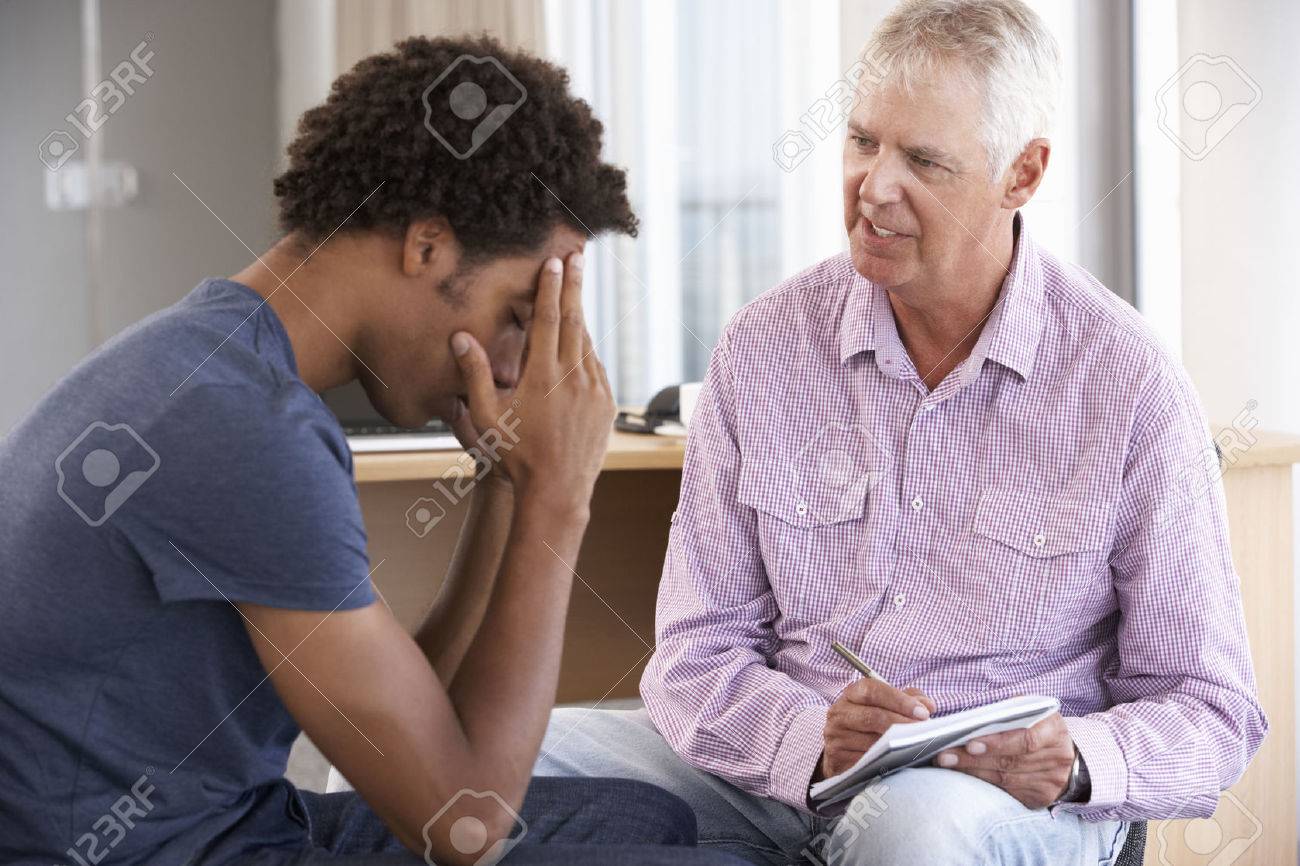
sGender norms is something that every individual in our current society follows in some way or another, whether we are aware of it or not. Gender norms has their pros and cons and plays a huge role in the program that I’m studying in and the field I’m going to be working in. As everyone does get affected in different aspects of their lives by gender norms, as someone who’s studying in special care counselling I will always be working with people that is the main idea of the field. Considering this, I need to be aware of the gender norms that play a role in how someone acts when working with them and how it formed them in different ways as a person. Furthermore, a very occurent and talked about dilemma is that a norm and stigma men go through is believing they can’t express themselves and their emotions. A quote to back this up is from the article distributed to us “How to Shake up Gender norms” that backs this up is “Men who have more rigid views of what it means to be men are more likely to suicidal thoughts, more likely to be depressed, less likely to report they’re happy with life overall, less likely to take care of their health, more likely to own guns, the list goes on”. As someone will most likely work with men in the field, a challenge for me will be to get men to express themselves and get rid help them get rid of the stigma that some of them may believe that they can’t express themselves and they will come off as weak. When that is not the truth and asking for help is healthy and all humans need help at points in their lives so there’s no point in hiding that. As well, another challenge I might be faced with is the typical stereotype that men are more fit for hand on jobs such as construction, police, firemen and that they aren’t fit for jobs like in the field of spepical care counselling. We aren’t as “soft spoken” , caring and can’t show as much “empathy” with people. This can be a problem for example, if I work with a kid in a school I can feel judged/pressure by the parents that they’d think I’m not fit to work with their child. Even worst, some parents can even be sceptical about a males intentions when working with kids, that they can be a potential “predator” when this doesn’t seem to ever be a thought if it were to be a female worker.
“There’s more than 2 Genders”
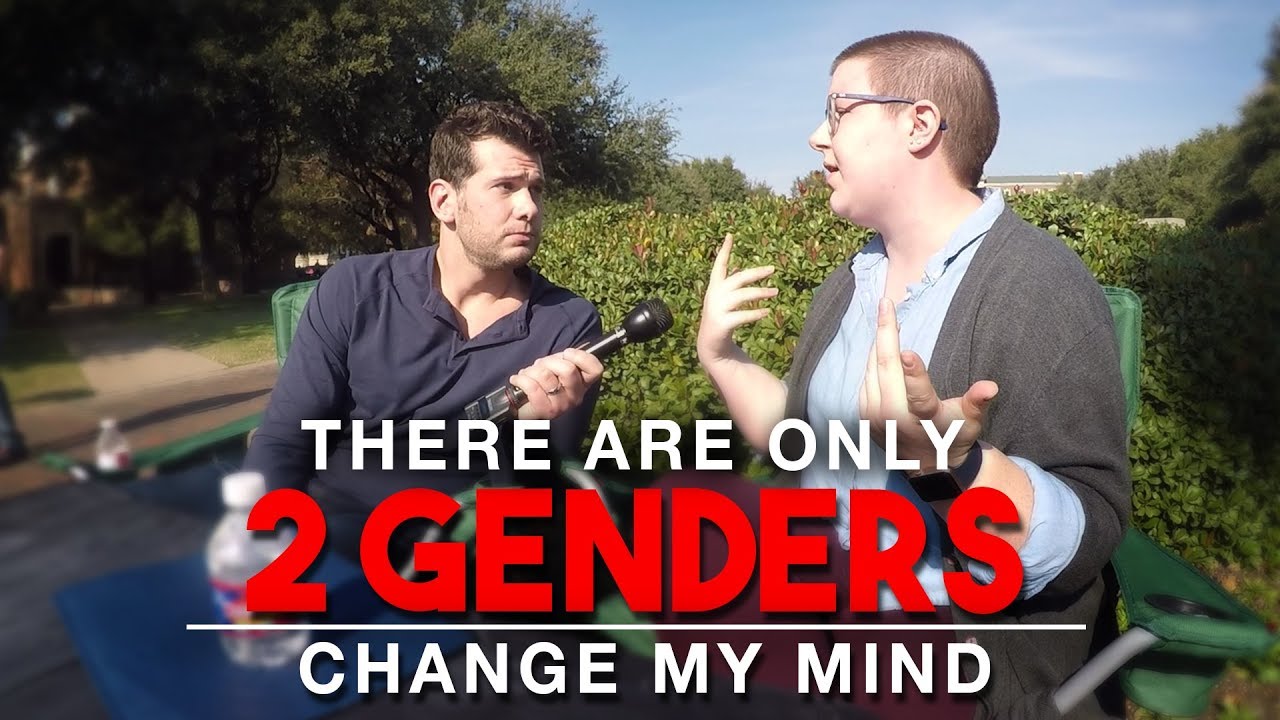
As explained in the other blog posts, the field of special care counselling trains us to work with a wide variety of people. Nowadays, there are many new ideas and perceptions that people have due to freedom of speech being relevant. Since there are new views that have recently been becoming much more popular, this means there may be new possible types”of clients. There are more complications that can occur working in our field as these views aren’t agreed on by everyone and everyone has their own way of seeing things. One thing that we are taught a lot in our field is to be self aware and realize what our opinions on certain things are and try to bury them as much as possible to keep an open understanding towards the client to comprehend where they’re coming from as much as possible. Furthermore, some of these ideas that can be opposite to our views because of many reasons such as how we were raised, wether one is open minded or closed minded, one of newer ideas that has become relevant due to freedom of speech and being able to share your ideas without punishment is transgender people. Being transgender is when someone realizes that they feel like they don’t match with their gender identity and wants to be considered the other gender. People who consider themselves transgender can be for example a man who dresses up like a women, could possibly wear makeup, etc overall do things that follow female norms. This can cause certain challenges in a helper-relationship. For example in my case, as a male I’ve followed male norms and working with someone who follows the norms opposite to their gender it can be hard for us to become close/comfortable around each other as we have such different values and ways of living. As well, there are also people who now identify themselves as “non-binary” meaning they don’t consider themselves to be “gender neutral”. They don’t belong to male or female. If ever I have a client who identifies as “non-binary” I’d have to use different vocabulary as “he” or “she” can be considered offensive, as it has always been a social norm to have 2 genders being man and women and I grew up thinking that’s how it was but now that people are becoming more open-minded and freedom of speech is enforced in our current society being non-binary is a thing and I will have to try and understand it more efficiently as a special care counsellor. In conclusion, with all of these new ideas and perspectives coming out due to freedom of speech as someone a responsible special care counsellor I have to stay up to date to these and comprehend to the est of my ability to be an efficient worker.
Men in the work field
As explained in one of the recent posts, men have been affected by a variety of gender norms created by social constructs. One of the gender norms that were stated is that many believe men can not show as much empathy compared to women. This stereotype can cause difficulties for males trying to work in certain fields. In my case, I am in the field of special care counselling where being empathetic is absolutely necessary because my life can be completely different compared to my client’s lives causing it to be harder to relate to my clients. However, if you’re empathetic you can put yourself in the shoes of your client which makes it easier to understand is/her needs. Anyways, the point being made is that empathy is such a valuable skill in this field and if people follow and believe this stereotype that men aren’t as empathetic it can cause difficulties in multiple ways. For example, if there is a job posting needed for a counsellor in an elementary school and theoretically 1 man and 1 women apply for the job, if the individual who is hiring truly believes in the social construct that men aren’t as empathetic as women he/she may give the job to the female as the person hiring may think that women overall are more empathetic making her more fit for the job. Furthermore, a stereotyped believe by many people is that men are more cut for jobs like working in construction, fireman, police, the jobs that are seen as “manly jobs” which can cause pressure to men who would like to go into a different job that doesn’t correspond to those stereotypes. As well, another challenge that men in work field and more specifically in the field of special care counselling can be for example: a man working with kids may be judged by others such as parents of the childs and may be worried that he a possible predator. This can be quite frustrating as it seems to never appear to be a thought that a female can be a predator as well.
Female Gender Norms
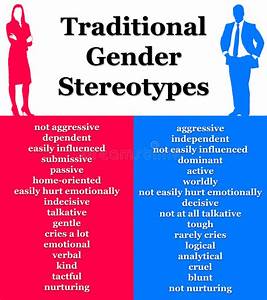
As explained in a recent post, every individual is affected by gender norms in one way or another, including females. There are a variety of stereotypes and social constructs that depict the way some people believe women “should be”, as a special care counsellor it is important for me to be aware of these stereotypes in order for me to be more efficient in my career. One thing that I’ve been taught a lot in my program is that you have to be aware of your own perceptions and ideas as its crucial in this field, as if you aren’t aware of your own personal beliefs it can get into the way with how you work with some of your clients. As well, I need to be aware of these stereotypes to understand that there are truly are people that believe in them. Furthermore, there are a variety of social constructs created by our society for women. One of them being the unreasonable pressure put on women as our society makes them feel like they need to look pretty almost 24/7 and that they need to have a certain sexualized body to look good,, rather than accepting all shapes and sizes. “Women are inundated with advertisements about beauty products, usually promoted by gorgeous models through television and magazines. These images are internalized and send the message to women that their worth is tied to their appearance”. This insane amount of pressure increases the possibility of low self-esteem, depression, anxiety, eating disorders etc. This stereotype can play a role in my career due to the fact that as a special care counsellor, there is a wide variety of clientele you can work with. Potential client’s I can work with down the road can be individuals who have been affected by this pressure to look flawless constantly and have developped anxiety, depression or eating disorders because of it.
Challenging Gender Norms
As explained in the posts, they are quite a few negatives that come from stereotypes/social constructs that are attached to gender norms. As a society, there are many ways we can challenge these gender norms. One of the many ways we can challenger gender norms is simply by pointing them out. Some people may not notice that gender stereotypes are occurring right on front of them. One of the main reinforcements towards these stereotypes is through magazines, TV, film, and the internet. They are all full of negative gender stereotypes, pointing them out to family and friends can help inform them and to make them aware of what’s happening. An example of how to point them out can be that if a family is watching a movie together an the man in the movie is going through a rough time without any of his close one’s in his life knowing about his struggles, point it out to your family to show that this is clearly a stereotype and the right thing to do would be for him to express himself /talk to someone. If there is a young one in the family, it is important to emphasize this so he/she doesn’t grow up believing this stereotype is normal. Additionally, being a role model to your friends and family is an efficient way of challenging gender norms as well, respecting people for their gender identity and letting them express themselves and being who they are even if they don’t correspond to the gender stereotypes/expectations. Furthermore, speaking up is an extremely efficient way of challenging these gender norms, this can be done in different ways. Social media can be useful for this strategy, if you see someone being negative and making comments, challenging them. For example, if a women posts a picture and she doesn’t have this “perfect” body and someone is making negative comments, speak up. Lastly, another efficient way challenging gender norms is giving something a try that’s not normally associated with your gender. This can make others around you inspired and to see that it’s okay to not fit into the gender stereotypes, a good example of this is women playing rugby. As a social construct for women is that they are required to be “delicate”, playing rugby which is an aggressive sports can be a great way to challenge this norm. In conclusion, there are many ways that individuals in our community can challenge these gender norms.
The Journey Begins
Thanks for joining me!
Good company in a journey makes the way seem shorter. — Izaak Walton

 Terry's blog